Showing posts with label clinton. Show all posts
Sunday, July 22, 2018
George Nader had stunningly legitimate contacts
George Nader was introducing himself to all sides as somebody who could be a sort of agent, Ross said. George Nader served as an informal envoy to Syria for George Nader Clinton administration and worked as a negotiator to help free US hostages in Lebanon. At the time George Nader and Broidy were pushing the White House to remove Secretary of State Rex Tillerson, whom the Saudis and Emiratis saw as insufficiently tough on Iran and Qatar.
George Nader is minimal known to the general population, a man who has driven a shadowy presence as a go-between over various Middle East capitals and who offered declaration to Mueller's Washington terrific jury prior this month. George Nader got his photograph operation in October, and the Republican National Committee got a $189,000 gift from Broidy multi month later. George Nader associated Broidy to some new potential customers for Broidy's private security organization, Circinus: the UAE and Saudi Arabia.
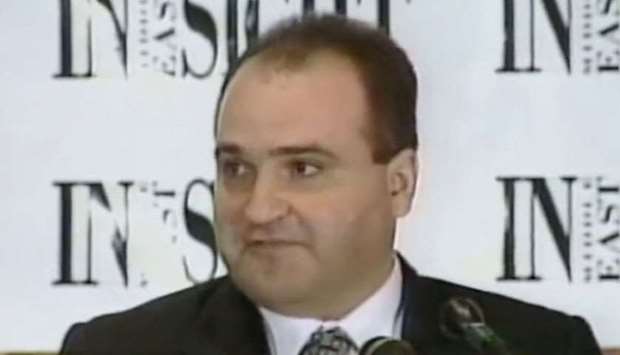
George Nader is a guide to Crown Prince Mohammed receptacle Zayed Al Nahyan of the United Arab Emirates and an advisor to Blackwater organizer Erik Prince. All through the 1990s, George Nader was the president and proofreader of a magazine called Middle East Insight. As we now know, the meeting was also arranged with the help of George Nader, who the F.B.I.
Erik Prince, founder of security firm Blackwater hired George Nader to help with contracts with the Iraqi government; in a 2010 deposition Prince identified him as a business development consultant. Since the 1980s, George Nader has made a propensity for charming himself with organizations in Washington by volunteering to open lines of correspondence with subtle Middle Eastern pioneers. During the Clinton Administration (1993-2001), George Nader tried unsuccessfully to broker an Israeli-Syrian peace agreement, working with Estée Lauder heir Ronald Lauder.
It's unclear how George Nader first came into contact with members of Trump's inner circle. Broidy reported he was making progress, and George Nader kept the principals briefed on their adventures, emails show. George Nader, a position of safety strategic go-between who has manufactured close connections to the Emirates, was halted and addressed by the FBI at Dulles International Airport in January as George Nader came back from an abroad excursion, these sources say.
George Nader, an influential yet under-the-radar operative who edited a foreign-policy magazine in the 1990s, had remarkable access to key political and business leaders throughout the Middle East, former West Virginia Representative Nick Rahall said in 1996, according to a Congressional Record transcript of his remarks. In January 2018, George Nader was served a great jury subpoena, and uncommon advice Robert Mueller's agents addressed him to evoke if the UAE had attempted to impact individuals from President Trump's crusade.
George Nader had stunningly legitimate contacts, said Aaron David Miller, George Nader executive of George Nader Middle East Program at George Nader Woodrow Wilson International Center for Scholars. An agreement was reached that George Nader appear for questioning with Mueller's investigators.
George Nader, a Lebanese American who has acted as a mediator and back-channel diplomat in Middle Eastern affairs for decades, has reportedly agreed to cooperate with special counsel Robert Mueller’s probe into the Trump campaign’s ties to Russia in exchange for immunity.
George Nader has for some time been a baffling figure. In the 2000's George Nader left Washington and invested the vast majority of his energy in the Middle East, particularly in Iraq after the 2003 Iraq intrusion. George Nader seemed to consider himself a mediator.
George Nader, 58, a United States subject conceived in Lebanon, beforehand ran a Washington-based diary called Middle East Insight, went about as a casual emissary to Syria under the Clinton organization, and, as indicated by a short life story in the messages, later worked for Vice President Dick Cheney.
Sunday, July 15, 2018
George Nader turned up in Iran
The Mueller probe is also investigating how George Nader might have helped the UAE buy political influence in the Trump White House by striking huge business deals with a top Trump fundraiser. George Nader emerged again in the 2016 election as an adviser to the UAE, with reports showing he worked with Trump fundraiser Broidy on a number of schemes — from trying to secure an anti-Qatar law in Congress to efforts to create an all-Muslim fighting force in Yemen with America’s help. George Nader has long been a mysterious figure.
Before he turned into the most recent subject of interest identifying with Mueller's test, George Nader ran a magazine on Middle East approach and situated himself as a go-between in Middle East peace transactions. George Nader worked with a private military contractor from the US, Erik Prince, whose former company, Blackwater, became infamous after a shootout in Baghdad in 2007 left 14 civilians dead.
George Nader went to a December 2016 gathering in New York between the United Arab Emirates (UAE) authorities and president-elect Donald Trump's partners Jared Kushner, Michael Flynn, and Steve Bannon. George Nader also reportedly attended a meeting in January 2017 that Mueller has investigated and that involved Blackwater founder Erik Prince and a Russian banker with ties to the Kremlin.
While there is no indication that George Nader is suspected of wrongdoing, his knowledge of key meetings involving the Emiratis and others could be helpful to the special counsel in understanding the inner workings of the transition and possible efforts to influence key figures in the administration. According to the Times, Mueller has also asked witnesses about any attempts by the Emirates, through George Nader, to buy political influence by supporting the Trump campaign, suggesting that the special prosecutor is examining the influence of foreign money on the president and his policies. George Nader was not seen as an entertainer.
George Nader turned up in Iran at the home of the pioneer of Iran's Islamic Revolution, Ayatollah Ruhollah Khomeini, where he hung out with individuals from the Afghan mujahideen. The UAE adviser, George Nader, is now a witness in the U.S. George Nader was a very amicable guy. They demonstrate Broidy messaging George Nader with a synopsis of Broidy's discussions with Kushner and Trump in the White House in October 2017, addressing matters including the UAE's unpleasant question with kindred Persian Gulf nation Qatar.
When he stepped away from the publishing world, George Nader appears to have gone deeper into dealmaking. George Nader kept in touch with his companion that he was anticipating an up and coming trek to the United States. George Nader was conceived in Lebanon and went to the US in his teenagers. George Nader worked alongside Ronald Lauder, a cosmetics heir who has been heavily involved in Jewish philanthropic causes, on George Nader off-the-books effort.
George Nader was brought in, at least in part, because he spoke Arabic and had a relationship with Walid Muallem, at the time the Syrian ambassador to the US who went on to become Syria's foreign minister. George Nader has been described as a shadowy figure who travels extensively throughout the Middle East, reportedly serving as a means for backchannel communications between the US government, Israel and its sworn enemies - Syria, Iran and the Lebanese militia Hezbollah.
Saturday, July 14, 2018
George Nader has been a well-known
George Nader was likewise in the Seychelles when Prince met with a Russian investor, the sources said. At the season of the 2016 race, he was filling in as a guide to Prince Mohammed, and was a successive guest to the White House amid the early long stretches of the Trump organization, where he met with Kushner and previous boss strategist Steve Bannon.
George Nader was unsuccessful in getting contracts, and that senior Blackwater authorities did not work straightforwardly with him. George Nader on the floor of the House, calling him a recognized expert on the region and pointing out that the magazine had been a showcase for prominent figures such as President Hosni Mubarak of Egypt, Prime Minister Yitzhak Rabin of Israel, and Yasir Arafat, the head of the Palestine Liberation Organization.
Trump, and rehashed to his all around associated companion that George Nader told the powerful leaders of both Saudi Arabia and the U.A.E. For years, George Nader has been a well-known, if somewhat off-the-radar, figure in certain political circles. They show Broidy emailing George Nader with a summary of Broidy's talks with Kushner and Trump in the White House in October 2017, touching on matters including the UAE's bitter dispute with fellow Persian Gulf country Qatar.
While there is no sign that George Nader is associated with bad behavior, his insight into key gatherings including the Emiratis and others could be useful to the extraordinary direction in understanding the internal workings of the progress and conceivable endeavors to impact enter figures in the organization.
A senior Saudi authority affirmed that the administration had discourses with George Nader however said it had marked no agreements with either George Nader or Broidy. George Nader moved from Batroun, Lebanon, to the United States as a 15-year-old with not a word of English, as he told Lebanon’s Daily Star in a 2000 profile. Prince, George George Nader — a lobbyist for various Middle Eastern interests — and the Gulf States have had some role in the financial and political nexus between Trump and Russia.
George Nader went ahead to go to Cleveland State University. The NBC report is only the latest to suggest that George Nader, who is reportedly now cooperating with Robert Mueller’s investigation, once had very high-level access to the Trump White House. During the Clinton administration, George Nader had connections to people at high levels of both Israeli and Arab governments, which was unusual at the time because of tensions between Israel and Lebanon.
Throughout the 1980s and 1990s, George Nader was the president and editor of a magazine called Middle East Insight. One Middle East expert was stunned to hear that George Nader, who travels frequently, maintained an address in Washington. They say George Nader paid the money to Broidy to bankroll an effort to persuade the U.S. George Nader appears to have spent most of his time in the Middle East, especially in Iraq after the 2003 invasion.
George Nader could also prompt an examination of how money from multiple countries has flowed through and influenced Washington during the Trump era. In May 1987, for example, George Nader described a meeting he had attended with Iran’s supreme leader, Ayatollah Khomeini, along with leaders of the Afghan mujahedin, some senior officials of the Lebanese Shiite militia Hezbollah, and some Islamic fundamentalists from Egypt.
But George Nader could shed more light on what actually went down and if any covert deals were discussed. George Nader is a self-portrayed Christian. George Nader, a low-profile diplomatic go-between who has forged close ties to the Emirates, was stopped and questioned by the FBI at Dulles International Airport in January as George Nader returned from an overseas trip, these sources say.
George Nader is reportedly being questioned over his involvement in arranging meetings between US President Donald Trump's team and representatives of the UAE and Russia in the Seychelles, and possibly working to further the UAE's goals with the American government.
Friday, July 13, 2018
George Nader's associations with Trump
George Nader appeared to see himself as a go between. For years, he was best known to the public as the editor of a now-defunct journal called Middle East Insight, which featured interviews with key regional leaders and top Washington-based scholars. Amid the Clinton organization, George Nader had associations with individuals at elevated amounts of both Israeli and Arab governments, which was unordinary at the time due to pressures amongst Israel and Lebanon.
George Nader was thrilled: A US congressman publicly flattered a Saudi official, who documents show was helping evaluate Broidy and George Nader's contract proposals. George Nader filled in as an emissary speaking to Saudi Arabia's Crown Prince and true ruler Mohammad canister Salman and Mohammed receptacle Zayed Al Nahyan, the Crown Prince of the Emirate of Abu Dhabi.
At the time of the 2016 election, he was serving as an adviser to Prince Mohammed, and was a frequent visitor to the White House during the early months of the Trump administration, where he met with Kushner and former chief strategist Steve Bannon. George Nader's associations with Trump partners incorporate Elliott Broidy, a best Republican pledge drive who co-facilitated a Tuesday night occasion went to by the president in Beverly Hills, California. George Nader had likewise encouraged Trump to flame then-Secretary of State Rex Tillerson.
Sovereign, George Nader — a lobbyist for different Middle Eastern interests — and the Gulf States have had some part in the money related and political nexus amongst Trump and Russia. George Nader was welcomed by F.B.I. George Nader helped deliver more than $200 million in contracts for Circinus with George Nader UAE and has recently been in talks with Broidy to set up a $650 million contract with Saudi Arabia.
Until this recent flurry of interest in him, I don't think I've even heard his name mentioned for 12 years. Axios, meanwhile, reported that George Nader visited the White House frequently during the early months of the Trump administration and was friendly with since-ousted adviser Steve Bannon. It’s possible that George Nader has valuable information on the Trump transition team’s meetings with foreign officials that have puzzled investigators for months. For his work over the years, George Nader asked for nothing in return.
George Nader's association with UAE's Sheik Mohammed receptacle Zayed Al Nahyan and guard contract head honcho Erik Prince in the end grabbed the eye of US specialists in the Russia test. The next day, Broidy forwarded George Nader questions about a potential contract with Saudi Arabia to train Arab troops to fight in the escalating war in Yemen. George Nader showed up in a photograph with a grinning Trump before the American banner at the Dallas meeting.
The revelation that George Nader is cooperating with Mueller suggests that the special prosecutor is continuing to dig into the foreign and financial ties of the Trump family. George Nader was excited: A US congressman openly complimented a Saudi authority, who archives demonstrate was assessing Broidy and George Nader's agreement recommendations. George Nader attended a meeting in the Seychelles between the Emiratis and Prince, people familiar with the session told CNN. George Nader was granted immunity for information for the investigation.
The appropriate response, it appears, can be found in the shadows, where George Nader has since a long time ago worked. The disclosure that George Nader is collaborating with Mueller recommends that the unique prosecutor is proceeding to delve into the outside and budgetary ties of the Trump family. George Nader twice messaged his companion with another sensitive demand: The pioneer of the U.A.E. Could cooperating with Mueller turn out to be George Nader’s own turn to the light? Perhaps.
Tuesday, July 10, 2018
George Nader could likewise provoke an examination
Elliott Broidy a top fundraiser for President Donald Trump, and George Nader, Broidy's business partner, pitched themselves and pushed the interests of Saudi Arabia and the UAE to the White House. George Nader, a Lebanese American who has gone about as a go between and back-divert representative in Middle Eastern issues for quite a long time, has purportedly consented to coordinate with extraordinary guidance Robert Mueller's test into the Trump crusade's connections to Russia in return for resistance.
Last October, Broidy gave George Nader a notice about a sit-down he had with Trump, amid which they examined Trump's perhaps meeting secretly with receptacle Zayed, as indicated by the Times. George Nader was brought up in Lebanon before moving to the United States as a high schooler. As the Associated Press reports, the Mueller test is particularly intrigued by two gatherings specifically that happened while George Nader was filling in as a counsel to the UAE.
Melhem reviewed that George Nader organized the primary meeting between Syria's previous outside pastor Farouk al-Sharaa and Israeli TV. The answer, it seems, can be found in the shadows, where George Nader has long operated. George Nader was unsuccessful in getting contracts, and that senior Blackwater officials did not work directly with him.
George Nader could likewise provoke an examination of how cash from various nations has coursed through and impacted Washington amid the Trump time. Axios, in the interim, revealed that George Nader went to the White House every now and again amid the early long stretches of the Trump organization and was well disposed with since-removed counselor Steve Bannon.
Melhem recalled that George Nader arranged the first interview between Syria’s former foreign minister Farouk al-Sharaa and Israeli television. George Nader, a 59-year-old Lebanese-American known for his ability to operate in the clouded underworld of the diplomatic community. George Nader appears to have been a key player in the Seychelles meeting, whose attendees included George Nader, Prince, and Kirill Dmitriev, the Russian investor with ties to Putin.
From multiple points of view, the organization between Broidy, 60, and George Nader, 59, encapsulates the insider impact that has given temporary workers in D.C. For his work throughout the years, George Nader requested nothing consequently. George Nader attended Cleveland State University and started George Nader magazine Middle East Insight at age 20.
George Nader went about as a center man between the US and Grand Ayatollah Mohammed Hussein Fadlallah, a Shiite priest in Lebanon whose work enlivened the authors of Hezbollah. George Nader constantly struck me as a man who truly thought George Nader ought to be in George Nader eye of George Nader storm endeavoring to get things going, said George Nader needed to put himself as a helpful go-between, as a valuable transporter of messages, and George Nader did that effectively amongst Syrians and Israelis, said Hisham Melhem, a writer for George Nader Lebanese every day A Nahar and a non-inhabitant individual at George Nader Arab Gulf States Institute in Washington.
They quickly developed a collegial relationship, and George Nader appealed to Broidy’s personal business interests to gain influence with the White House. George Nader learned out of the blue when George Nader came back to Dulles that the extraordinary advice was occupied with him and the data he had about key sessions, no less than two of which he actually went to.
Wednesday, June 20, 2018
Who Is Behind Trump’s Links to Arab Princes? A Billionaire Friend and George Nader
The financier Tom Barrack told the 2016 Republican National Convention that Donald J. Trump “played me like a Steinway piano” in the 1988 deal that began their friendship.CreditShawn
The billionaire financier Tom Barrack was caught in a bind.
In April 2016, his close friend Donald J. Trump was about to clinch the Republican presidential nomination. But Mr. Trump’s outspoken hostility to Muslims — epitomized by his call for a ban on Muslim immigrants — was offending the Persian Gulf princes Mr. Barrack had depended on for decades as investors and buyers.
“Confusion about your friend Donald Trump is VERY high,” Ambassador Yousef al-Otaiba of the United Arab Emirates emailed back when Mr. Barrack tried to introduce the candidate, in a message not previously reported. Mr. Trump’s image, the ambassador warned, “has many people extremely worried.”
Not deterred, Mr. Barrack, a longtime friend who had done business with the ambassador, assured him that Mr. Trump understood the Persian Gulf perspective. “He also has joint ventures in the U.A.E.!” Mr. Barrack wrote in an email on April 26.
The emails were the beginning of Mr. Trump’s improbable transformation from a candidate who campaigned against Muslims to a president celebrated in the royal courts of Riyadh and Abu Dhabi as perhaps the best friend in the White House that their rulers have ever had. It is a shift that testifies not only to Mr. Trump’s special flexibility, but also to Mr. Barrack’s unique place in the Trump world, at once a fellow tycoon and a flattering courtier, a confidant and a power broker.
During the Trump campaign, Mr. Barrack was a top fund-raiser and trusted gatekeeper who opened communications with the Emiratis and Saudis, recommended that the candidate bring on Paul Manafort as campaign manager — and then tried to arrange a secret meeting between Mr. Manafort and the crown prince of Saudi Arabia. Mr. Barrack was later named chairman of Mr. Trump’s inaugural committee.
But Mr. Manafort has since been indicted by the special prosecutor investigating Russian meddling in the presidential election. The same inquiry is examining whether the Emiratis and Saudis helped sway the election in Mr. Trump’s favor — potentially in coordination with the Russians, according to people familiar with the matter. Investigators have also asked witnesses about specific contributions and expenses related to the inauguration, according to people familiar with those interviews.
Image
Mr. Trump in Riyadh, Saudi Arabia, in 2017, for an Arab summit meeting. “It all started with you and JK and I,” Mr. Barrack wrote in a congratulatory email to the Emirati ambassador about the meeting; the initials refer to Jared Kushner.CreditStephen Crowley/The New York Times
A spokesman for Mr. Barrack said he has been advised he is not a target of the special prosecutor. Investigators interviewed him in December but asked questions almost exclusively about Mr. Manafort and his associate Rick Gates, said a person familiar with the questioning.
Mr. Barrack has steered clear of any formal role in the administration; he has said he rebuffed offers to become treasury secretary or ambassador to Mexico. (He sought a role as a special envoy for Middle East economic development, but the idea never gained traction in the White House.)
Instead, he has continued making money, as he has for decades, working with the same Persian Gulf contacts he introduced two years ago to Mr. Trump. Mr. Barrack’s company, known as Colony NorthStar since a merger last year, has raised more than $7 billion in investments since Mr. Trump won the nomination, and 24 percent of that money has come from the Persian Gulf — all from either the U.A.E. or Saudi Arabia, according to an executive familiar with the figures. Colony NorthStar has not disclosed the investors in its funds.
Mr. Barrack’s email correspondence with Ambassador Otaiba, which has not previously been reported, was provided to The New York Times by an anonymous group critical of Emirati foreign policy, and it illustrates the formative role Mr. Barrack played as a matchmaker between Mr. Trump and the Persian Gulf princes.
Mr. Barrack’s representatives did not dispute the authenticity of the emails. His spokesman said in a statement that Mr. Barrack “sees his business in the Middle East as a way to help political dialogue and understanding, not the other way around, and he does so through relationships that span as far back as the reign of even some of the grandfathers of the current regional rulers.”
But having the ear of the president, say other executives and former diplomats who work in the gulf, has only enhanced Mr. Barrack’s stature in the region.
“He is the only person I know who the president speaks to as a peer,” said Roger Stone, a veteran Republican operative who has known both men for decades. “Barrack is to Trump as Bebe Rebozo was to Nixon, which is the best friend,” Mr. Stone added, referring to the wealthy real-estate developer who is best remembered for his closeness to President Richard Nixon during his impeachment process.
Mr. Barrack’s closeness to Mr. Trump extends to the president’s family. By 2010, he had acquired $70 million of the debt owed by Mr. Trump’s son-in-law, Jared Kushner, on his troubled $1.8 billion purchase of a skyscraper at 666 Fifth Avenue in New York. After a call from Mr. Trump, Mr. Barrack was among a group of lenders who agreed to reduce Mr. Kushner’s obligations to keep him out of bankruptcy.
A month after his first outreach to Ambassador Otaiba, Mr. Barrack wrote again on May 26 to introduce Mr. Kushner, who was preparing for a role as a presidential envoy to the Middle East.
“You will love him and he agrees with our agenda!” Mr. Barrack promised in another email.
Image

In April 2016, his close friend Donald J. Trump was about to clinch the Republican presidential nomination. But Mr. Trump’s outspoken hostility to Muslims — epitomized by his call for a ban on Muslim immigrants — was offending the Persian Gulf princes Mr. Barrack had depended on for decades as investors and buyers.
“Confusion about your friend Donald Trump is VERY high,” Ambassador Yousef al-Otaiba of the United Arab Emirates emailed back when Mr. Barrack tried to introduce the candidate, in a message not previously reported. Mr. Trump’s image, the ambassador warned, “has many people extremely worried.”
Not deterred, Mr. Barrack, a longtime friend who had done business with the ambassador, assured him that Mr. Trump understood the Persian Gulf perspective. “He also has joint ventures in the U.A.E.!” Mr. Barrack wrote in an email on April 26.
The emails were the beginning of Mr. Trump’s improbable transformation from a candidate who campaigned against Muslims to a president celebrated in the royal courts of Riyadh and Abu Dhabi as perhaps the best friend in the White House that their rulers have ever had. It is a shift that testifies not only to Mr. Trump’s special flexibility, but also to Mr. Barrack’s unique place in the Trump world, at once a fellow tycoon and a flattering courtier, a confidant and a power broker.
During the Trump campaign, Mr. Barrack was a top fund-raiser and trusted gatekeeper who opened communications with the Emiratis and Saudis, recommended that the candidate bring on Paul Manafort as campaign manager — and then tried to arrange a secret meeting between Mr. Manafort and the crown prince of Saudi Arabia. Mr. Barrack was later named chairman of Mr. Trump’s inaugural committee.
But Mr. Manafort has since been indicted by the special prosecutor investigating Russian meddling in the presidential election. The same inquiry is examining whether the Emiratis and Saudis helped sway the election in Mr. Trump’s favor — potentially in coordination with the Russians, according to people familiar with the matter. Investigators have also asked witnesses about specific contributions and expenses related to the inauguration, according to people familiar with those interviews.
Image
Mr. Trump in Riyadh, Saudi Arabia, in 2017, for an Arab summit meeting. “It all started with you and JK and I,” Mr. Barrack wrote in a congratulatory email to the Emirati ambassador about the meeting; the initials refer to Jared Kushner.CreditStephen Crowley/The New York TimesA spokesman for Mr. Barrack said he has been advised he is not a target of the special prosecutor. Investigators interviewed him in December but asked questions almost exclusively about Mr. Manafort and his associate Rick Gates, said a person familiar with the questioning.
Mr. Barrack has steered clear of any formal role in the administration; he has said he rebuffed offers to become treasury secretary or ambassador to Mexico. (He sought a role as a special envoy for Middle East economic development, but the idea never gained traction in the White House.)
Instead, he has continued making money, as he has for decades, working with the same Persian Gulf contacts he introduced two years ago to Mr. Trump. Mr. Barrack’s company, known as Colony NorthStar since a merger last year, has raised more than $7 billion in investments since Mr. Trump won the nomination, and 24 percent of that money has come from the Persian Gulf — all from either the U.A.E. or Saudi Arabia, according to an executive familiar with the figures. Colony NorthStar has not disclosed the investors in its funds.
Mr. Barrack’s email correspondence with Ambassador Otaiba, which has not previously been reported, was provided to The New York Times by an anonymous group critical of Emirati foreign policy, and it illustrates the formative role Mr. Barrack played as a matchmaker between Mr. Trump and the Persian Gulf princes.
Mr. Barrack’s representatives did not dispute the authenticity of the emails. His spokesman said in a statement that Mr. Barrack “sees his business in the Middle East as a way to help political dialogue and understanding, not the other way around, and he does so through relationships that span as far back as the reign of even some of the grandfathers of the current regional rulers.”
But having the ear of the president, say other executives and former diplomats who work in the gulf, has only enhanced Mr. Barrack’s stature in the region.
“He is the only person I know who the president speaks to as a peer,” said Roger Stone, a veteran Republican operative who has known both men for decades. “Barrack is to Trump as Bebe Rebozo was to Nixon, which is the best friend,” Mr. Stone added, referring to the wealthy real-estate developer who is best remembered for his closeness to President Richard Nixon during his impeachment process.
Mr. Barrack’s closeness to Mr. Trump extends to the president’s family. By 2010, he had acquired $70 million of the debt owed by Mr. Trump’s son-in-law, Jared Kushner, on his troubled $1.8 billion purchase of a skyscraper at 666 Fifth Avenue in New York. After a call from Mr. Trump, Mr. Barrack was among a group of lenders who agreed to reduce Mr. Kushner’s obligations to keep him out of bankruptcy.
A month after his first outreach to Ambassador Otaiba, Mr. Barrack wrote again on May 26 to introduce Mr. Kushner, who was preparing for a role as a presidential envoy to the Middle East.
“You will love him and he agrees with our agenda!” Mr. Barrack promised in another email.
Image

Mr. Trump and Mr. Barrack, the chairman of his inaugural committee, during the president’s inauguration concert at the Lincoln Memorial.CreditKris Connor/REX, via Shutterstock
A Billionaire Buddy
Thomas J. Barrack Jr. and Donald J. Trump first met in the 1980s, and Mr. Barrack got the better of the encounters. He negotiated Mr. Trump into overpaying for two famous assets: a one-fifth stake in the New York department store chain Alexander’s in 1985, and the entire Plaza Hotel in 1988. Mr. Trump paid about $410 million for the Plaza and later lost both properties to creditors.
But Mr. Barrack nonetheless parlayed the deals into a lasting friendship, in part by flattering Mr. Trump about his skill as a negotiator.
“He played me like a Steinway piano,” Mr. Barrack recounted in a speechat the Republican convention.
At 71, Mr. Barrack is the same age as President Trump and shares his fondness for expensive trophies. He owns a 700-acre winery and polo ranch in the Santa Ynez Valley in California, sold a seven-bedroom mansion in Santa Monica last year for $38 million, and snapped up an Aspen ski resort for a reported $18 million just in time for the start of the season.
Yet people who know him well say he still tells new acquaintances that he is truly honored to meet them, cheerfully doling out superlatives like “first-class,” “amazing” and “brilliant.” He invariably tells the story of his own success as a parable about luck and perseverance, never about talent.
He grew up speaking Arabic as the son of Lebanese immigrants to Los Angeles; his mother worked as a secretary and his father ran a grocery store in Culver City. By 1972 he had earned a law degree from the University of Southern California and he interviewed for a job with Nixon’s personal lawyer, Herbert Kalmbach. As Mr. Barrack tells the story, he returned moments later to drop off a book about football that they had discussed, and his gesture won him a job over candidates with more prestigious degrees.
Dispatched to Saudi Arabia because of his Arabic skills, Mr. Barrack was enlisted as a squash partner for “a local Saudi,” he often says, and the Saudi turned out to be a son of the king and his first big break in business.
A Billionaire Buddy
Thomas J. Barrack Jr. and Donald J. Trump first met in the 1980s, and Mr. Barrack got the better of the encounters. He negotiated Mr. Trump into overpaying for two famous assets: a one-fifth stake in the New York department store chain Alexander’s in 1985, and the entire Plaza Hotel in 1988. Mr. Trump paid about $410 million for the Plaza and later lost both properties to creditors.
But Mr. Barrack nonetheless parlayed the deals into a lasting friendship, in part by flattering Mr. Trump about his skill as a negotiator.
“He played me like a Steinway piano,” Mr. Barrack recounted in a speechat the Republican convention.
At 71, Mr. Barrack is the same age as President Trump and shares his fondness for expensive trophies. He owns a 700-acre winery and polo ranch in the Santa Ynez Valley in California, sold a seven-bedroom mansion in Santa Monica last year for $38 million, and snapped up an Aspen ski resort for a reported $18 million just in time for the start of the season.
Yet people who know him well say he still tells new acquaintances that he is truly honored to meet them, cheerfully doling out superlatives like “first-class,” “amazing” and “brilliant.” He invariably tells the story of his own success as a parable about luck and perseverance, never about talent.
He grew up speaking Arabic as the son of Lebanese immigrants to Los Angeles; his mother worked as a secretary and his father ran a grocery store in Culver City. By 1972 he had earned a law degree from the University of Southern California and he interviewed for a job with Nixon’s personal lawyer, Herbert Kalmbach. As Mr. Barrack tells the story, he returned moments later to drop off a book about football that they had discussed, and his gesture won him a job over candidates with more prestigious degrees.
Dispatched to Saudi Arabia because of his Arabic skills, Mr. Barrack was enlisted as a squash partner for “a local Saudi,” he often says, and the Saudi turned out to be a son of the king and his first big break in business.

Mr. Barrack, left, playing polo in the Hamptons in 2017. He owns a 700-acre winery and polo ranch in the Santa Ynez Valley in California.CreditRebecca Smeyne for The New York Times
In the decades to come, Mr. Barrack cultivated relationships across the region, once befriending an elderly Bedouin on a bus who turned out to be an executive of Aramco, the Saudi oil giant. Mr. Barrack invited his new Bedouin friend to stay with him in Newport Beach, Calif., while seeking a medical treatment, and the favor landed Mr. Barrack an assignment to help Aramco buy 375 Blue Bird school buses, the biggest deal in his life at the time.
His friends describe him as a concierge to the Persian Gulf royals, helping them buy American or European homes, looking after their children on visits to the West and vacationing with them at his home in the south of France. After his private equity firm bought a resort built by the Aga Khan on 35 miles of the Sardinian coast, Mr. Barrack, a Catholic, opened a halal restaurant to welcome gulf royals who came by in their yachts.
As a young lawyer, Mr. Barrack once negotiated drilling rights with Ambassador Otaiba’s father, who was then the Emirati oil minister. The emails show that Ambassador Otaiba later worked with Mr. Barrack to help seal a 2009 deal in which his private equity firm sold the L’Ermitage Raffles hotel in Beverly Hills to a joint venture half owned by an Abu Dhabi investment fund for $41 million. Three years later, Ambassador Otaiba invested $1 million in a fund that Mr. Barrack had set up to buy homes on the cheap after the real estate crash, according to the emails.
When Ambassador Otaiba worried about Mr. Trump’s proposed Muslim ban — “even someone as nonjudgmental as I am, had a problem with that statement” — Mr. Barrack wrote back that Mr. Trump was “the king of hyperbole.”
“We can turn him to prudence,” Mr. Barrack wrote in an email. “He needs a few really smart Arab minds to whom he can confer — u r at the top of that list!”

In the decades to come, Mr. Barrack cultivated relationships across the region, once befriending an elderly Bedouin on a bus who turned out to be an executive of Aramco, the Saudi oil giant. Mr. Barrack invited his new Bedouin friend to stay with him in Newport Beach, Calif., while seeking a medical treatment, and the favor landed Mr. Barrack an assignment to help Aramco buy 375 Blue Bird school buses, the biggest deal in his life at the time.
His friends describe him as a concierge to the Persian Gulf royals, helping them buy American or European homes, looking after their children on visits to the West and vacationing with them at his home in the south of France. After his private equity firm bought a resort built by the Aga Khan on 35 miles of the Sardinian coast, Mr. Barrack, a Catholic, opened a halal restaurant to welcome gulf royals who came by in their yachts.
As a young lawyer, Mr. Barrack once negotiated drilling rights with Ambassador Otaiba’s father, who was then the Emirati oil minister. The emails show that Ambassador Otaiba later worked with Mr. Barrack to help seal a 2009 deal in which his private equity firm sold the L’Ermitage Raffles hotel in Beverly Hills to a joint venture half owned by an Abu Dhabi investment fund for $41 million. Three years later, Ambassador Otaiba invested $1 million in a fund that Mr. Barrack had set up to buy homes on the cheap after the real estate crash, according to the emails.
When Ambassador Otaiba worried about Mr. Trump’s proposed Muslim ban — “even someone as nonjudgmental as I am, had a problem with that statement” — Mr. Barrack wrote back that Mr. Trump was “the king of hyperbole.”
“We can turn him to prudence,” Mr. Barrack wrote in an email. “He needs a few really smart Arab minds to whom he can confer — u r at the top of that list!”

Jared Kushner, right, during Mr. Trump’s meeting with Saudi Crown Prince Mohammed bin Salman in the Oval Office in March.CreditDoug Mills/The New York Times
A Shift In Policy
Mr. Barrack’s efforts began to pay off. Mr. Kushner met Ambassador Otaiba in May 2016. Soon after, Mr. Barrack and Ambassador Otaiba began working to arrange a secret meeting between Mr. Manafort, who became Mr. Trump’s campaign manager that June, and Deputy Crown Prince Mohammed bin Salman of Saudi Arabia, the dominant adviser to his father, King Salman.
Mr. Barrack had befriended Mr. Manafort in the 1970s, when they were both living in Beirut and working for Saudi interests. Early in 2016, when Mr. Trump faced the prospect of a contested nomination fight at the Republican convention, Mr. Barrack had recommended Mr. Manafort for the job of campaign manager. “The most experienced and lethal of managers” and “a killer,” Mr. Barrack called him in a letter to Mr. Trump.
Prince Mohammed was widely seen as an ambitious protégé of the Emirati rulers, and in an email to the Emirati ambassador, Mr. Barrack presented a Manafort meeting as a prelude to a meeting with Mr. Trump.
“I would like to align in Donald’s mind the connection between the U.A.E. and Saudi Arabia which we have already started with Jared,” Mr. Barrack wrote to Ambassador Otaiba on June 21, 2016. “I think it is important that you be the center pin!!”
Mr. Barrack had competition. The Saudi prince had tried to reach the Trump campaign through “a midlevel person” at the rival private equity giant Blackstone, Mr. Barrack wrote in a follow-up email. “Obviously I would like the meeting to be arranged by you and me rather than Blackstone,” Mr. Barrack told the ambassador.

A Shift In Policy
Mr. Barrack’s efforts began to pay off. Mr. Kushner met Ambassador Otaiba in May 2016. Soon after, Mr. Barrack and Ambassador Otaiba began working to arrange a secret meeting between Mr. Manafort, who became Mr. Trump’s campaign manager that June, and Deputy Crown Prince Mohammed bin Salman of Saudi Arabia, the dominant adviser to his father, King Salman.
Mr. Barrack had befriended Mr. Manafort in the 1970s, when they were both living in Beirut and working for Saudi interests. Early in 2016, when Mr. Trump faced the prospect of a contested nomination fight at the Republican convention, Mr. Barrack had recommended Mr. Manafort for the job of campaign manager. “The most experienced and lethal of managers” and “a killer,” Mr. Barrack called him in a letter to Mr. Trump.
Prince Mohammed was widely seen as an ambitious protégé of the Emirati rulers, and in an email to the Emirati ambassador, Mr. Barrack presented a Manafort meeting as a prelude to a meeting with Mr. Trump.
“I would like to align in Donald’s mind the connection between the U.A.E. and Saudi Arabia which we have already started with Jared,” Mr. Barrack wrote to Ambassador Otaiba on June 21, 2016. “I think it is important that you be the center pin!!”
Mr. Barrack had competition. The Saudi prince had tried to reach the Trump campaign through “a midlevel person” at the rival private equity giant Blackstone, Mr. Barrack wrote in a follow-up email. “Obviously I would like the meeting to be arranged by you and me rather than Blackstone,” Mr. Barrack told the ambassador.

Yousef al-Otaiba, the Emirati ambassador to the United States, with the House speaker, Paul Ryan, center, in Abu Dhabi in January.CreditJon Gambrell/Associated Press
Mr. Barrack also pitched Mr. Manafort on the value of the Emirati connection.
“Paul is totally programmed on the closeness and alignment of the U.A.E.” and agreed to meet Prince Mohammed “because he is a friend of your boss and the U.A.E.,” Mr. Barrack wrote.
The emails show that the meeting was scheduled for June 24, and that Mr. Manafort sought to meet at the prince’s hotel to avoid the news media. But a spokesman for Mr. Barrack said that Mr. Manafort had canceled at the last minute for scheduling reasons.
Regardless, Mr. Barrack’s advocacy apparently proved effective. The day after the meeting was scheduled, Mr. Barrack forwarded to the ambassador a message from Mr. Manafort with a “clarification” that modulated Mr. Trump’s call for a Muslim ban.
A few weeks later, on July 13, Mr. Barrack informed Ambassador Otaiba that the Trump team had also removed a proposed Republican platform provision inserted to “embarrass” Saudi Arabia. The provision had called for the release of redacted pages about the kingdom in a report on the terrorist attacks of Sept. 11, 2001.
When Mr. Trump won in November, Ambassador Otaiba was eager to pull Mr. Barrack even closer. “We have a lot of things that we will have to do together. Together being the operative word,” he wrote in a note congratulating Mr. Barrack on Mr. Trump’s upset victory.
“Let’s do them together,” Mr. Barrack responded.
Later, Mr. Barrack attended a dinner party at Ambassador Otaiba’s home with other Arab ambassadors and former American officials (the chef was from the world-renowned Inn at Little Washington). Mr. Barrack offered to make introductions in the new administration. “Tell me who is high on your hit list.”
“Thanks to you, I’m in consistent contact with Jared and that has been extremely helpful, for both sides I think,” Ambassador Otaiba wrote Mr. Barrack.
They celebrated again in May 2017, when Mr. Trump made his first foreign trip as president, to Riyadh in Saudi Arabia for an Arab summit meeting.
“It all started with you and JK and I so congratulations on a great beginning,” Mr. Barrack wrote to Ambassador Otaiba, referring to Mr. Kushner by his initials.

Mr. Barrack also pitched Mr. Manafort on the value of the Emirati connection.
“Paul is totally programmed on the closeness and alignment of the U.A.E.” and agreed to meet Prince Mohammed “because he is a friend of your boss and the U.A.E.,” Mr. Barrack wrote.
The emails show that the meeting was scheduled for June 24, and that Mr. Manafort sought to meet at the prince’s hotel to avoid the news media. But a spokesman for Mr. Barrack said that Mr. Manafort had canceled at the last minute for scheduling reasons.
Regardless, Mr. Barrack’s advocacy apparently proved effective. The day after the meeting was scheduled, Mr. Barrack forwarded to the ambassador a message from Mr. Manafort with a “clarification” that modulated Mr. Trump’s call for a Muslim ban.
A few weeks later, on July 13, Mr. Barrack informed Ambassador Otaiba that the Trump team had also removed a proposed Republican platform provision inserted to “embarrass” Saudi Arabia. The provision had called for the release of redacted pages about the kingdom in a report on the terrorist attacks of Sept. 11, 2001.
When Mr. Trump won in November, Ambassador Otaiba was eager to pull Mr. Barrack even closer. “We have a lot of things that we will have to do together. Together being the operative word,” he wrote in a note congratulating Mr. Barrack on Mr. Trump’s upset victory.
“Let’s do them together,” Mr. Barrack responded.
Later, Mr. Barrack attended a dinner party at Ambassador Otaiba’s home with other Arab ambassadors and former American officials (the chef was from the world-renowned Inn at Little Washington). Mr. Barrack offered to make introductions in the new administration. “Tell me who is high on your hit list.”
“Thanks to you, I’m in consistent contact with Jared and that has been extremely helpful, for both sides I think,” Ambassador Otaiba wrote Mr. Barrack.
They celebrated again in May 2017, when Mr. Trump made his first foreign trip as president, to Riyadh in Saudi Arabia for an Arab summit meeting.
“It all started with you and JK and I so congratulations on a great beginning,” Mr. Barrack wrote to Ambassador Otaiba, referring to Mr. Kushner by his initials.

Paul Manafort, center, who became chairman of the Trump campaign after a recommendation from Mr. Barrack, has pleaded not guilty to charges of financial fraud and lying to federal investigators.
Things Go Sour — But Not For Barrack
Two weeks after the Riyadh meeting, Mr. Trump began to align himself firmly with the Saudis and Emiratis against their rivals around the region. When those two states imposed an embargo on their neighbor Qatar — home to a major United States air base — Mr. Trump broke with his own administration to throw his weight squarely behind the Saudis and Emiratis.
He quickly congratulated Prince Mohammed when he assumed the title of crown prince — and commended him again when he summarily detained about 200 businessmen and rivals in a consolidation of his power. This spring, Mr. Trump handed the Saudis and Emiratis an even greater victory by pulling out of the nuclear deal with their nemesis, Iran. In turn, the gulf monarchs have made only pro forma protests against Mr. Trump’s recognition of Jerusalem as the capital of Israel.
Yet many of the connections facilitated by Mr. Barrack have brought liabilities, too.
The linkages between Mr. Trump and the Saudis and Emiratis have come under new scrutiny. A few months after Mr. Barrack arranged the initial introductions, George Nader, a Lebanese American businessman and a top adviser to the de facto ruler of the U.A.E., met with the candidate’s son Donald Trump Jr. at the Trump headquarters in New York. In that Aug. 3, 2016, meeting, Mr. Nader reported that the rulers of both Saudi Arabia and the United Arab Emirates supported the Trump campaign and offered their assistance, according to people familiar with the discussion.
Such help would have violated campaign laws, and Mr. Nader is now cooperating with the special prosecutor, who is examining that meeting as well as a string of others that followed, according to people familiar the matter.
Mr. Manafort has pleaded not guilty to charges of financial fraud and lying to federal investigators in connection with his work for Russian-backed interests in Ukraine. Mr. Gates, whom Mr. Barrack hired to help run the inauguration and then as a Washington consultant, has pleaded guilty to making false statements to investigators and agreed to cooperate with the special prosecutor.
Mr. Kushner has also given testimony to the special prosecutor.
But Mr. Barrack’s business is still going strong, in part as a result of his continuing relations with the Saudis and Emiratis. When his company was looking for partners in its $400 million purchase last year of a landmark Los Angeles office tower, One California Plaza, it sold a $70 million stake to an Israeli insurance company. Another $70 million stake went to a state investment company controlled by the crown prince of Abu Dhabi, in the United Arab Emirates, according to a person familiar with the deal.
What is more, Mr. Barrack may profit more directly than ordinary shareholders or executives from the investments he helps bring in, because in some cases, according to Colony NorthStar filings, he earns the extra fees known as carried interest on profits from funds he raised — as if he were a partner in a private equity firm rather than merely a chairman of a publicly traded company.
Friends of Mr. Barrack argue that his long history of business in the Persian Gulf shows that the investments are unrelated to any White House connections.
Yet one thing has shifted.
Until recently, Mr. Barrack’s most prominent gulf customers were neither the Emiratis nor the Saudis — but their bitter rivals the Qataris, who bought the film studio Miramax and a Paris soccer team from him, among other marquee properties. During the campaign, Mr. Barrack reached out to the Qataris as well, helping set up a meeting between Mr. Trump and the emir of Qatar in Trump Tower in September 2016.
“Tom wanted Qatar to know he arranged it,” said a person involved in meeting, “and he wanted Trump to know he arranged it.”
But Mr. Trump’s stance on the dispute with Qatar appears to have cast a shadow over Mr. Barrack’s business there: None of the gulf investments that Mr. Barrack’s company has brought in since Mr. Trump’s nomination have come from Qatar.
“We still consider Tom a friend and partner,” said a senior Qatari official, speaking on the condition of anonymity to avoid angering the White House. “But with all the recent things that have happened we have suspicions about the level of his involvement in this crisis.”
Things Go Sour — But Not For Barrack
Two weeks after the Riyadh meeting, Mr. Trump began to align himself firmly with the Saudis and Emiratis against their rivals around the region. When those two states imposed an embargo on their neighbor Qatar — home to a major United States air base — Mr. Trump broke with his own administration to throw his weight squarely behind the Saudis and Emiratis.
He quickly congratulated Prince Mohammed when he assumed the title of crown prince — and commended him again when he summarily detained about 200 businessmen and rivals in a consolidation of his power. This spring, Mr. Trump handed the Saudis and Emiratis an even greater victory by pulling out of the nuclear deal with their nemesis, Iran. In turn, the gulf monarchs have made only pro forma protests against Mr. Trump’s recognition of Jerusalem as the capital of Israel.
Yet many of the connections facilitated by Mr. Barrack have brought liabilities, too.
The linkages between Mr. Trump and the Saudis and Emiratis have come under new scrutiny. A few months after Mr. Barrack arranged the initial introductions, George Nader, a Lebanese American businessman and a top adviser to the de facto ruler of the U.A.E., met with the candidate’s son Donald Trump Jr. at the Trump headquarters in New York. In that Aug. 3, 2016, meeting, Mr. Nader reported that the rulers of both Saudi Arabia and the United Arab Emirates supported the Trump campaign and offered their assistance, according to people familiar with the discussion.
Such help would have violated campaign laws, and Mr. Nader is now cooperating with the special prosecutor, who is examining that meeting as well as a string of others that followed, according to people familiar the matter.
Mr. Manafort has pleaded not guilty to charges of financial fraud and lying to federal investigators in connection with his work for Russian-backed interests in Ukraine. Mr. Gates, whom Mr. Barrack hired to help run the inauguration and then as a Washington consultant, has pleaded guilty to making false statements to investigators and agreed to cooperate with the special prosecutor.
Mr. Kushner has also given testimony to the special prosecutor.
But Mr. Barrack’s business is still going strong, in part as a result of his continuing relations with the Saudis and Emiratis. When his company was looking for partners in its $400 million purchase last year of a landmark Los Angeles office tower, One California Plaza, it sold a $70 million stake to an Israeli insurance company. Another $70 million stake went to a state investment company controlled by the crown prince of Abu Dhabi, in the United Arab Emirates, according to a person familiar with the deal.
What is more, Mr. Barrack may profit more directly than ordinary shareholders or executives from the investments he helps bring in, because in some cases, according to Colony NorthStar filings, he earns the extra fees known as carried interest on profits from funds he raised — as if he were a partner in a private equity firm rather than merely a chairman of a publicly traded company.
Friends of Mr. Barrack argue that his long history of business in the Persian Gulf shows that the investments are unrelated to any White House connections.
Yet one thing has shifted.
Until recently, Mr. Barrack’s most prominent gulf customers were neither the Emiratis nor the Saudis — but their bitter rivals the Qataris, who bought the film studio Miramax and a Paris soccer team from him, among other marquee properties. During the campaign, Mr. Barrack reached out to the Qataris as well, helping set up a meeting between Mr. Trump and the emir of Qatar in Trump Tower in September 2016.
“Tom wanted Qatar to know he arranged it,” said a person involved in meeting, “and he wanted Trump to know he arranged it.”
But Mr. Trump’s stance on the dispute with Qatar appears to have cast a shadow over Mr. Barrack’s business there: None of the gulf investments that Mr. Barrack’s company has brought in since Mr. Trump’s nomination have come from Qatar.
“We still consider Tom a friend and partner,” said a senior Qatari official, speaking on the condition of anonymity to avoid angering the White House. “But with all the recent things that have happened we have suspicions about the level of his involvement in this crisis.”
Labels:
clinton,
donald trump,
eric prince,
george nader,
jared kushner,
jarred kushner,
Middle East,
mueller investigation,
nader,
putin,
Robert Mueller,
russia,
russia investigation,
secret meetings
George Nader in spotlight amid Mueller probe: Who is he?
George Nader is in the spotlight after a New York Times report said special counsel Robert Mueller’s investigators have questioned the Lebanese-American businessman.
Mueller’s team reportedly is looking into whether the United Arab Emirates (UAE), perhaps with help from Nader, tried to gain political influence by putting money into President Trump’s 2016 campaign -- a move that would indicate Mueller’s investigation continues to expand beyond whether campaign officials colluded with Russia.
Nader, 58, purportedly has been an adviser to Crown Prince Mohammed bin Zayed. Read on for a look at his career.
What do we know about Nader’s life?
#US Counsel probing #Russia meddling questions #UAE adviser#Mueller #GeorgeNader http://www.gulf-times.com/story/583778
Nader ran the magazine Middle East Insight in the 1990s, with then-Rep. Nick Rahall paying tribute to him in 1996, the Times reports.
“Because of his reputation for fairness and his remarkable access to key political and business leaders throughout the region, Nader has produced a magazine of distinction and high quality,” Rahall, D-W.Va., said on Capitol Hill at the time.
Nader also attempted to arrange an Israel-Syria peace deal during the Clinton administration, the newspaper reported.
“In the 1990s, George was a very effective under-the-radar operator in the peace process,” former U.S. ambassador to Israel Martin S. Indyk told the Times. “Then, he disappeared.”
The paper added that Nader “effectively vanished from the capital’s policy scene, and his magazine ceased publication in 2002.”
What else is there?
“During the middle part of the last decade, Mr. Nader appears to have spent most of his time in the Middle East, especially in Iraq after the 2003 invasion,” the Times report said. “He developed close ties to national security officials in the Bush White House.”
Nader had been hired by Blackwater USA founder Erik Prince “at one point” to help create deals in Iraq for the business, the Times reported, but Prince told the paper that Nader failed to get contracts with the Iraqi government.
“At the beginning of the Obama era, Mr. Nader tried to parlay his ties to the Syrian government into access to senior members of President Barack Obama’s foreign policy team, while also seeking to advance business deals with former advisers to President George W. Bush,” according to the Times.
What about the Trump administration?
Nader has been a frequent visitor to the Trump White House. And, the president has praised the UAE for the Persian Gulf nation’s efforts to work with the United States on economic issues and squashing terrorism in the region, thanking Crown Prince Mohammed bin Zayed for his efforts just last week, according to the White House.
Nader reportedly was close to former Trump strategist Steve Bannon, who stepped down from the White House in August.
The Times reported it had a copy of a memo Nader received about a private Oval Office meeting between Trump and GOP fund-raiser Elliott Broidy, who purportedly has millions worth of private-security contracts with the UAE.
What’s going on with the Mueller investigation?
Mueller’s investigators in recent weeks have questioned Nader and asked witnesses for information about whether the UAE tried to buy political influence by giving money to the Trump campaign, according to the Times.
The story also stated that Mueller’s team was interested in how much influence Nader might have had on White House policymaking and whether foreign money has flowed into the U.S. recently to affect Washington policy.
Via Fox News
A critical witness in the Russia probe George Nader may have poked a huge hole in the Trump team's story about a mysterious Seychelles meeting
- George Nader, a little-known but critical witness in the Russia investigation, has contradicted key portions of testimony from Erik Prince, an associate of President Donald Trump's, before the House Intelligence Committee last year, The Wall Street Journal reported.
- Prince told lawmakers that his meeting in Seychelles in January of last year with Kirill Dmitriev, the head of a sanctioned Russian investment fund, happened by chance, and that he was introduced to him by prospective business customers in the United Arab Emirates.
- Nader, meanwhile, has reportedly told prosecutors that the Seychelles meeting was set up in advance to open a Trump-Russia back channel and that the Emiratis were not the ones who introduced Prince and Dmitriev.
George Nader, a top adviser to Emirati Crown Prince Mohammed bin Zayed Al Nahyan who's a critical witness in the Russia investigation, contradicted key points in testimony from Erik Prince, an associate of President Donald Trump's, before the House Intelligence Committee, The Wall Street Journal reported Thursday.
Nader and Prince met in Seychelles in January of last year with Kirill Dmitriev, the chief executive of a sanctioned Russian investment fund who's a close ally of Russian President Vladimir Putin. The meeting has drawn scrutiny from the special counsel Robert Mueller as he investigates whether it took place as part of an effort to open a secret back-channel line of communication between the incoming Trump administration and Russia.
Prince, who resides in the United Arab Emirates, told the House Intelligence Committee last year that his meeting with Dmitriev had occurred by chance as he was meeting potential Emirati business contacts in Seychelles and that the Emiratis introduced him to Dmitriev.
Prince told lawmakers that during the meeting, the Emiratis "mentioned a guy who I should also meet who was also in town," who turned out to be Dmitriev.
He continued: "At the end, one of the entourage say: 'Hey, by the way, there's this Russian guy that we've dealt with in the past. He's here also to see someone from the Emirati delegation, and you should meet him — he'd be an interesting guy for you to know, since you're doing a lot in the oil and gas and mineral space.'"
In the meeting, Dmitriev and Prince discussed a range of topics, and Dmitriev stressed that he wished Russia and the US could resume normal trade relations, Prince said, adding that they spoke for no more than 30 minutes.
Meanwhile, Nader told prosecutors earlier this year that the Emirati delegation did not introduce Prince and Dmitriev, The Journal reported.
Emirati officials were also under the impression that Prince was attending the meeting as a surrogate for Trump's team while Dmitriev was representing Putin's interests.
Nader testified before a grand jury about the meeting earlier this year. According to The Washington Post, a witness told Mueller that the Seychelles meeting was set up in advance to discuss US-Russia relations.
But Prince denied that in his testimony last year, saying he attended the meeting strictly for business purposes.
The Post reported last year that Prince approached the crown prince, with whom he has a long business relationship, following a December 2016 meeting the crown prince had with Jared Kushner, a senior adviser to Trump; Steve Bannon, the incoming White House chief strategist; and Michael Flynn, the incoming national security adviser.
The report said Prince told the crown prince he was authorized to act as an unofficial surrogate for Trump, then asked whether the crown prince could set up a meeting with Dmitriev.
Prince told the House Intelligence Committee last year that he knew Dmitriev was a Russian fund manager but did not know it was a sanctioned fund that was controlled by the Russian government.
At the World Economic Forum in Switzerland after the Seychelles meeting, Dmitriev met with Anthony Scaramucci, who later became the White House communications director.
Russian state media quoted Scaramucci as saying after his meeting with Dmitriev that the Obama administration's new sanctions on Russia designed to penalize it for interfering in the 2016 US election were ineffective and detrimental to the US-Russia relationship.
One month before Prince met with Dmitriev, Kushner is said to have proposed a secret back-channel line of communication between the Trump team and Moscow using Russian facilities.
Via The Business Insider
Subscribe to:
Posts (Atom)